10 Kitchen Habits That Save Us Money
This post is all about my simple, practical habits that help our family of six spend less on groceries, waste less food, and make more meals at home.

When I first got married, I did not know how to cook or grocery shop efficiently. We ate a lot of processed food, wasted more than I would like to admit, and I constantly struggled to balance our grocery budget.
These habits came slowly through trial and error and a genuine desire to learn. Over the past 15 years, I have found little ways to cook, shop, and work in the kitchen that make a big difference for our family of six.
None of these ideas require you to make everything from scratch or completely change how you cook. I still buy convenient snacks, frozen chicken, and pantry staples that make busy days easier. The goal is simply to use what we have and make eating at home feel more doable.
Here are the ten kitchen habits that have helped us save money, eat well, and waste less food.
1. Start Dinner Before You Have the Whole Plan
One of the best habits I have developed is getting some kind of protein cooking early in the day. Even if I do not know exactly what dinner will be, I can put a roast in the slow cooker, cook a whole chicken in the Instant Pot, or pull meat from the freezer to thaw.
Having that one part handled makes dinner feel so much easier. Once everyone is hungry, that is not when I want to start wondering what to cook. Those are the evenings when ordering pizza or making an extra grocery trip sounds especially tempting.
In my video that inspired this guide, I added carnitas seasoning to a chuck roast and let it cook all day. That evening, I served the shredded beef with corn tortillas and fresh salsa. Once your main protein is ready, you can easily turn it into tacos, bowls, sandwiches, soup, or a simple plate with vegetables and bread.
A few favorite recipes: Slow Cooker Pot Roast, Lentil Stew, White Chicken Chili, Smoky Citrus Pulled Pork

2. Learn to Make One or Two Bread Basics
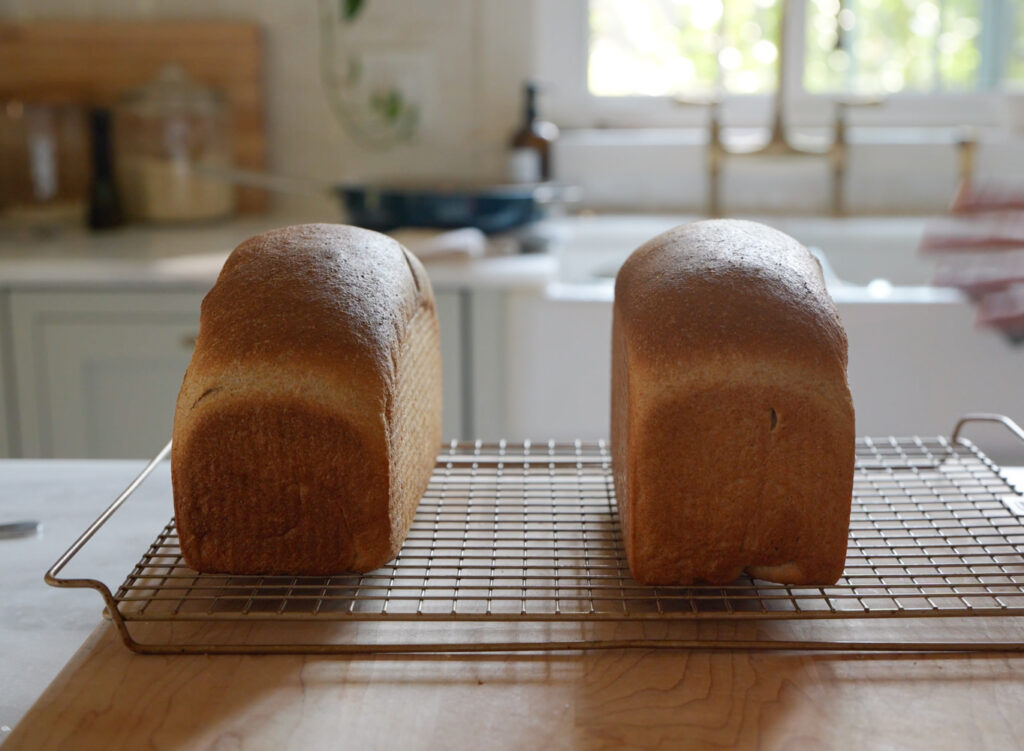
Learning to make bread from scratch was a light bulb moment for me. The ingredients cost less than good store bought bread, the flavor was better, and I could control what went into it.
You do not need a grain mill, expensive mixer, or perfect sourdough starter to begin. I collected my kitchen equipment slowly over many years, and plenty of wonderful breads can be mixed by hand.
Start with something your family eats often, such as sandwich bread, pizza dough, hamburger buns, or artisan bread. Pizza dough is one of my favorites because it can be stored in the refrigerator or freezer for later.
I also save bread bags for homemade loaves. If bread becomes stale, I turn it into seasoned breadcrumbs for meatballs, macaroni and cheese, and other recipes. Even the leftovers have a purpose.
3. Buy Staple Ingredients in Bulk and Use Every Part
Buying in bulk only saves money when you have a plan for what you bring home. I focus on flexible ingredients we use regularly instead of buying large packages just because the price looks good.
Chuck roast is one of my favorite bulk meat purchases because it is less expensive than steak but still makes a rich, filling meal. I also buy whole chickens so I can use both the meat and the bones.
After cooking a chicken, I use the bones and saved vegetable scraps to make broth. The meat can become tortilla soup, chicken salad, sandwiches, casseroles, or bowls. The broth can be refrigerated, frozen, or pressure canned using a tested recipe.
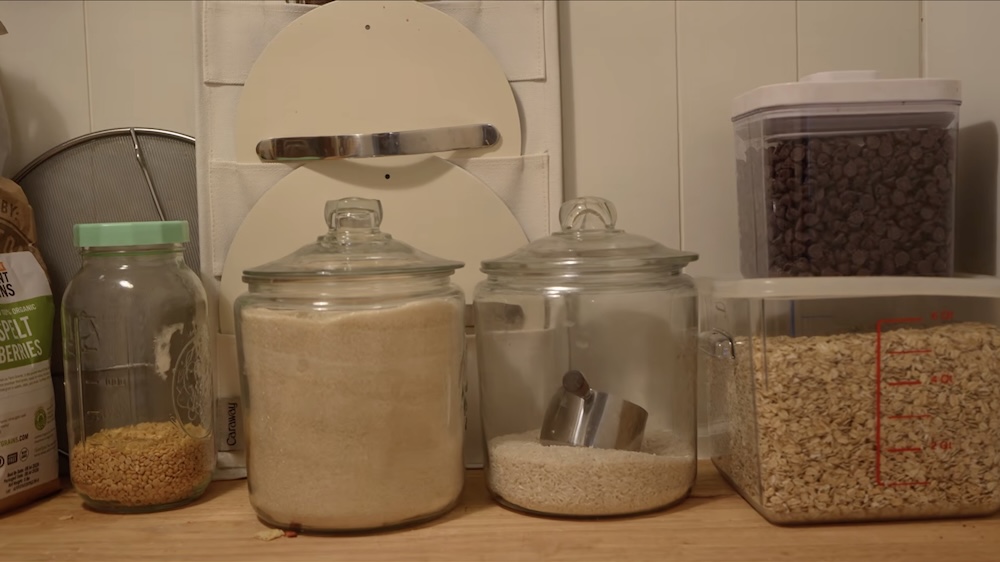
I also buy grains, honey, oil, nuts, seeds, and cheese in larger quantities when the price makes sense. I stock up on a lot of essentials on Thrive Market, the membership is only $5 a month and if you use it regularly it basically pays for itself (girl math!). If you sign up with my link above you will receive $20 off your first three orders and a free gift!
I also love to order a lot of my grains in bulk from Azure Standard. They are my go-to for pantry staples, grains, and bulk ingredients.
4. Keep Frozen Fruits and Vegetables on Hand
Frozen produce is one of the easiest ways to buy nutritious food without worrying that it will spoil before we eat it.
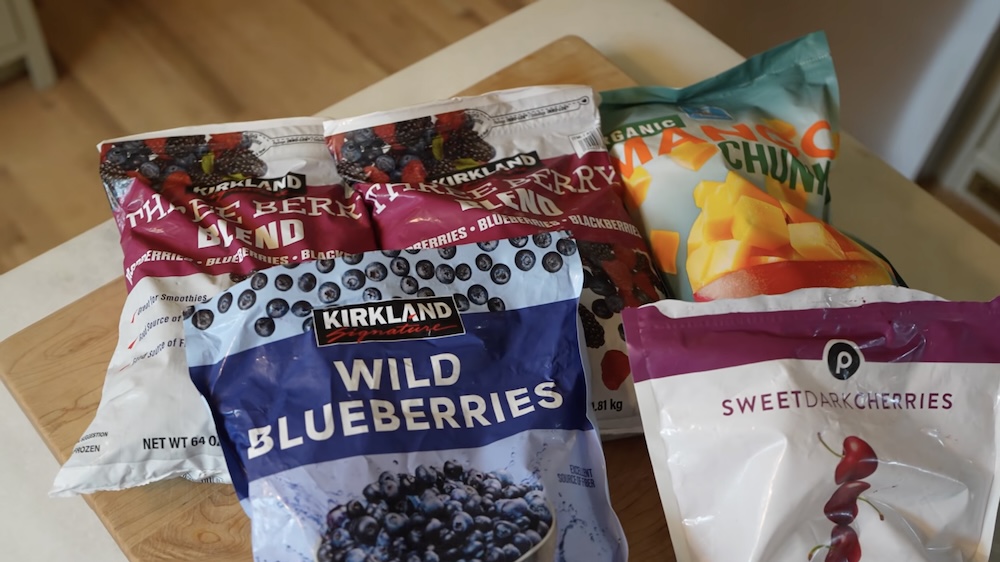
Fresh berries can be expensive for a large family, so I buy frozen berries in bulk for smoothies. When our budget was especially tight, I kept it simple with blueberries, bananas, spinach, and sometimes strawberries.
Spinach freezes beautifully if a fresh bag is getting close to the end of its life. Frozen broccoli is another staple because I can pull out exactly what we need. I also keep frozen chicken on hand for busy nights. It may not always be my ideal option, but it still costs much less than takeout.
Frozen food gives you some breathing room when the refrigerator looks empty and you need dinner without another grocery trip.
5. Keep Simple Containers Ready for Leftovers
Having the right containers has made a huge difference in how much food we use instead of throw away.
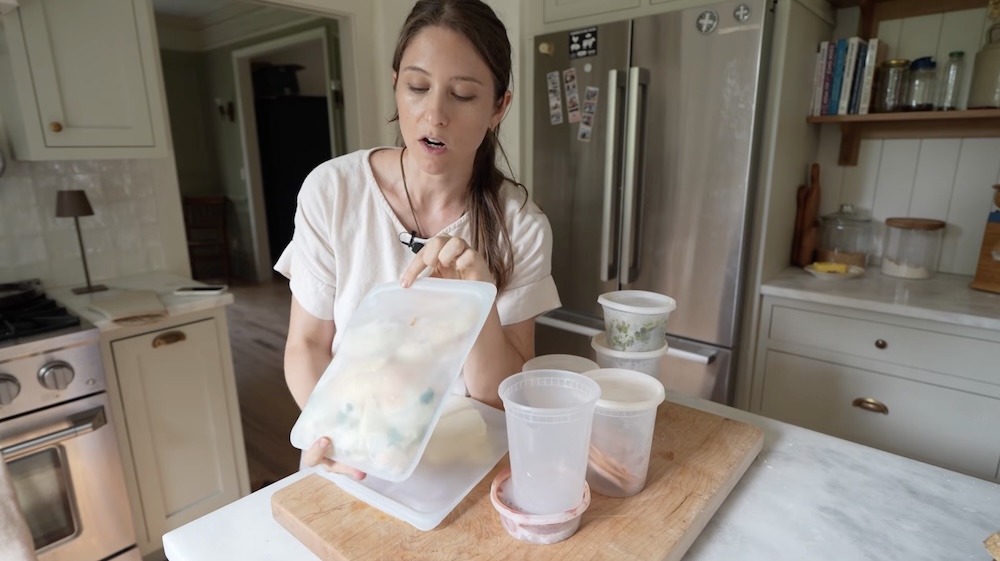
I keep inexpensive deli containers in several sizes. The smaller ones are perfect for tomato paste, chopped cilantro, half an onion, grated Parmesan, or anything else that might get forgotten. Larger containers hold leftovers, broth, cooked beans, and freezer meals.
I also use silicone bags for cheese, marinades, soup, and freezer prep. One stays in the freezer for vegetable scraps that will eventually become stock.
Mason jars are another favorite because we can use them for drinking glasses, dressings, food storage, and fermentation. The goal is not to buy a perfect matching container set. It is simply to give every little bit of food a place to go while you still remember it is there.
6. Arrange Your Kitchen Around How You Cook
If cooking at home feels frustrating every time you begin, you will naturally do it less often.
I keep my knives, cutting boards, spatulas, and tongs close to where I prepare food. Measuring cups, spoons, salt, and baking tools live where I use them most. Flour, sugar, and grains are stored in easy to reach jars.
My system is practical, not picture perfect. I do not even fold my most used kitchen towels. They go straight into a drawer so they are easy to grab and put away.
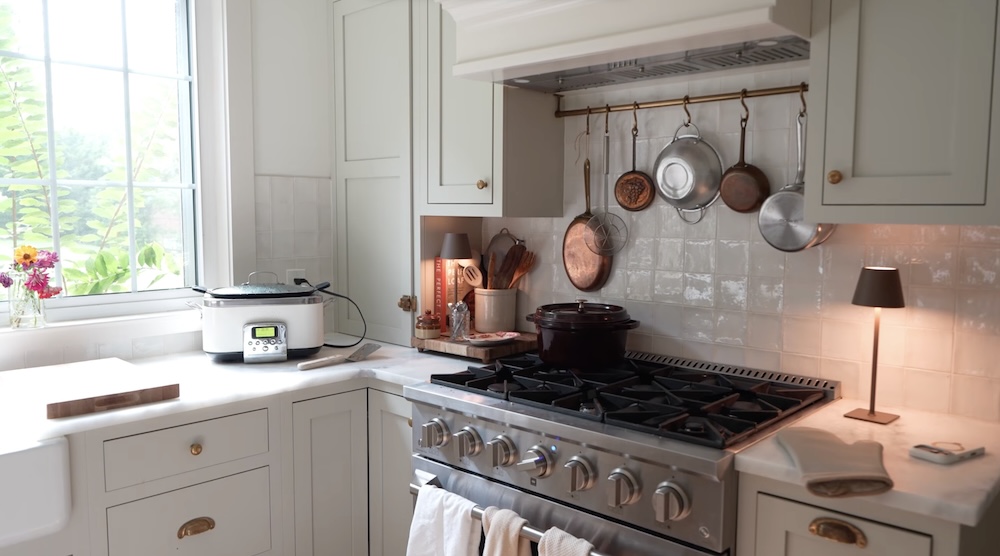
Pay attention to what annoys you while you cook. If you walk across the kitchen five times to make bread, gather those supplies into one area. If your slow cooker is buried in a cabinet, move it somewhere easier to reach.
7. Prep Filling Homemade Snacks
With children in the house, snacks can take up a surprising amount of the grocery budget. Individually packaged snacks disappear quickly and often are not very filling.
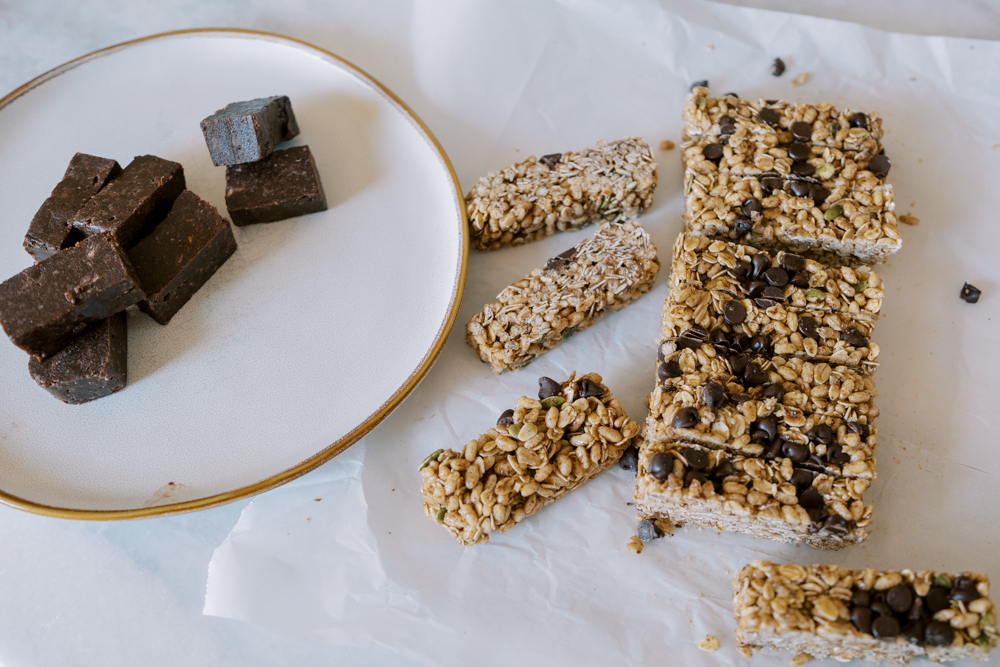
I try to prepare a few homemade options on Sunday and store them in the refrigerator or freezer. Granola, muffins, yogurt, chewy granola bars, brownie snack bars, and homemade bread are all foods my kids enjoy.
One combination we love is homemade granola over Greek yogurt. I make yogurt in the Instant Pot, strain it until thick, and sweeten some with maple syrup and vanilla bean paste. Even the leftover whey can be used in smoothies or bread.
I still buy convenient snacks for busy days and lunchboxes. I simply notice a big difference in our spending when I keep a few filling homemade options in rotation.
8. Replace Most Paper Towels With Washable Towels
When I first got married, I used paper towels for nearly everything. Eventually, I realized how often I was buying something just to throw it directly into the trash.
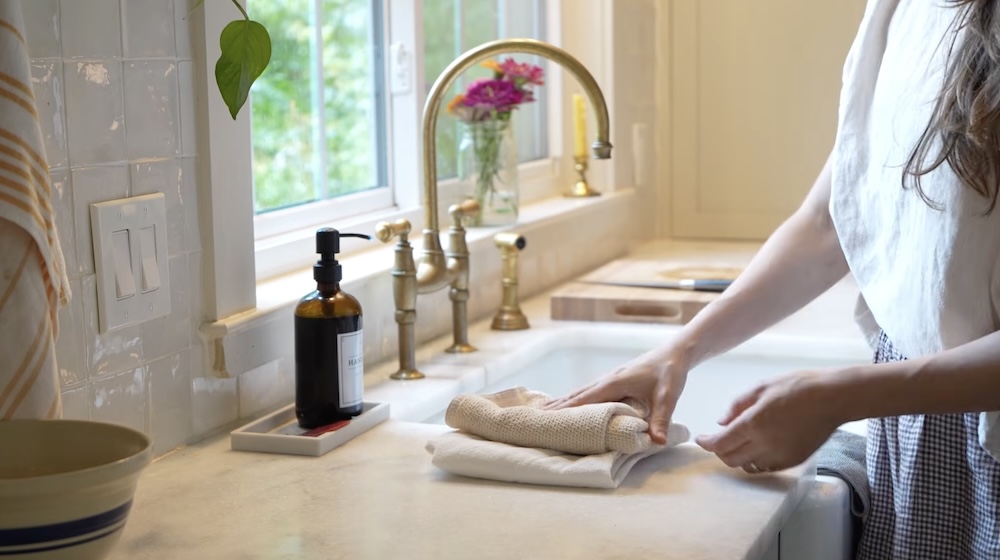
Now I use kitchen towels for most tasks and save paper towels mainly for cleaning up after raw meat. Waffle knit towels work well for drying hands, flour sack towels are useful for covering dough and straining foods, and microfiber cloths handle everyday spills. I also really like these towels from target for dishes that are air drying on the counter.
Every couple of days, I wash the used towels and toss them back into the drawer. It is a simple switch, but paper towels are no longer a constant grocery purchase.
9. Use Dry Beans to Stretch Meals
Dry beans are inexpensive, filling, and easy to keep in the pantry. They can be used for meatless meals or to stretch a smaller amount of meat.
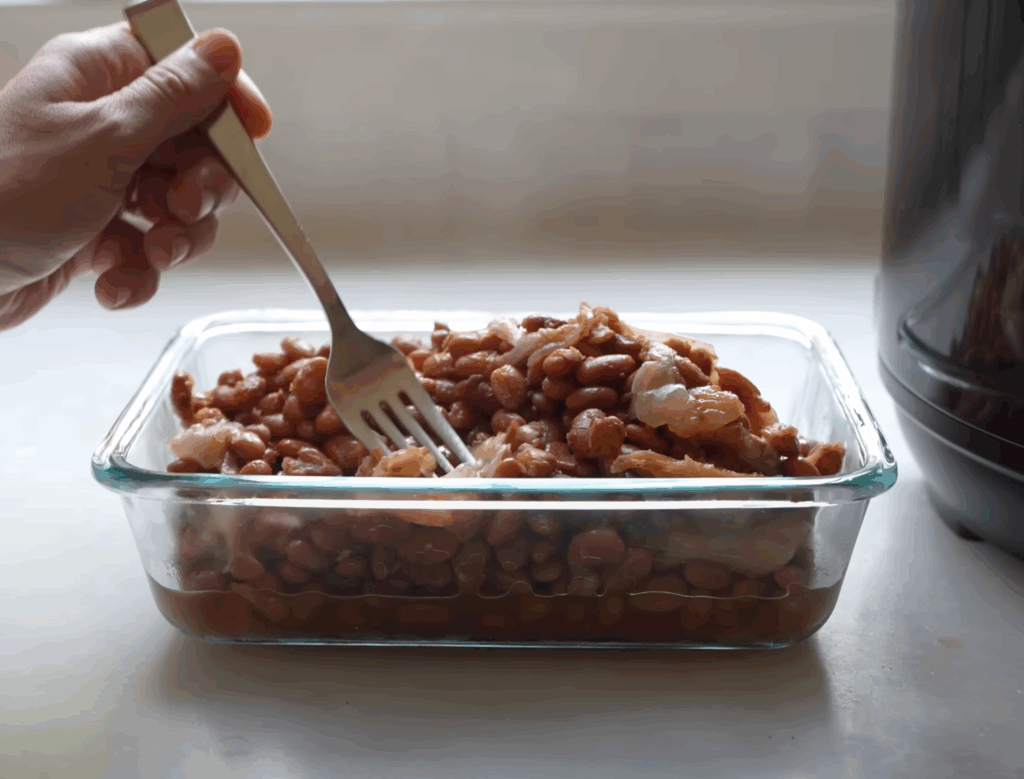
I often cook beans in the Instant Pot. When I make them, I cook more than we need and freeze the extra in useful portions. I have also started pressure canning beans so they are as convenient as opening a can from the store. Always follow a tested pressure canning recipe if you choose to do this.
Beans work well in soups, bowls, quesadillas, and salads. One of my favorite lunches is chickpeas smashed with avocado, dill, lemon juice, salt, and pepper, then piled onto sourdough toast. If I only have a little shredded beef left, pinto beans can help turn it into a full pan of quesadillas the next day.
10. Make Your Own Dressings and Condiments
For years, I assumed salad dressing was something you had to buy. Once I started experimenting, I realized how easy it is to make a delicious sauce using ingredients I already have.
A Mason jar and immersion blender are usually all I need. Homemade mayonnaise can become the base for Caesar dressing, ranch, dipping sauces, and creamy slaws. You can find my Easy Homemade Mayo Recipe here.
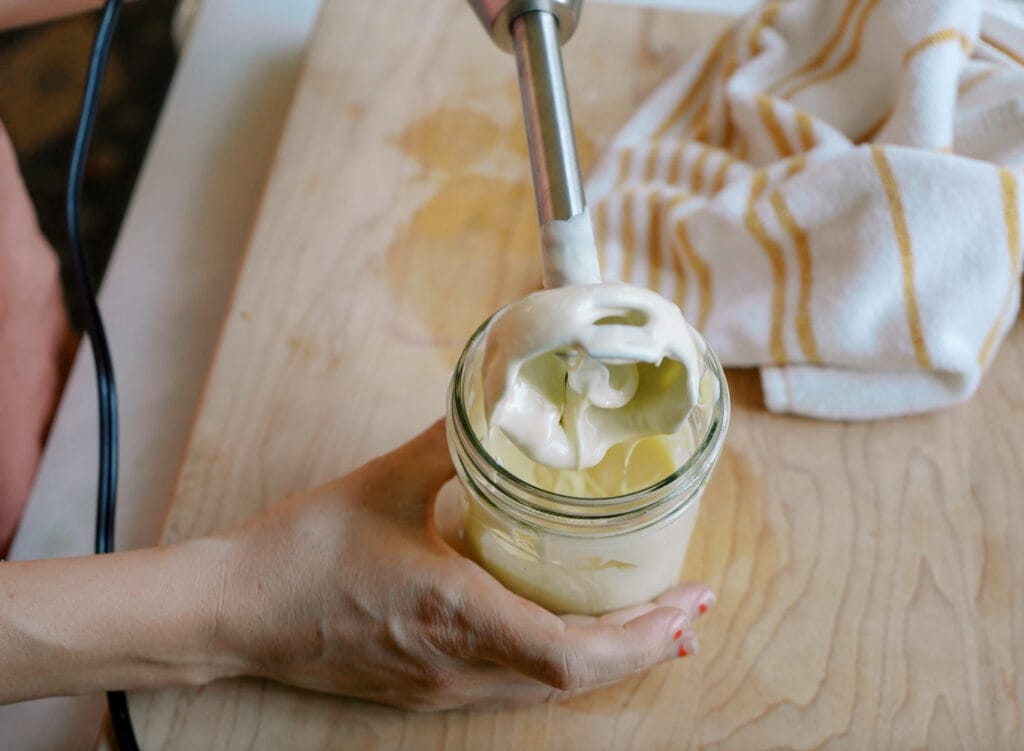
For a simple Caesar dressing, I combine mayonnaise, Parmesan, lemon juice, Worcestershire sauce, anchovy paste, Dijon mustard, salt, and pepper. A maple balsamic vinaigrette can be made with olive oil, balsamic vinegar, maple syrup, garlic, Dijon mustard, salt, pepper, and oregano.
Once you understand the basic formula, you can make only what you need and avoid collecting half used bottles in the refrigerator.
Start With the Habit That Fits Your Life
You do not need to start baking every loaf of bread, cooking every bean from scratch, and making a gallon of yogurt this weekend.
Choose one habit that solves a problem you already have. If dinner is stressful, put a protein in the slow cooker that morning. If produce keeps spoiling, buy a few frozen options. If snack boxes disappear in two days, make one batch of muffins or granola.
These habits have grown with me over the past 15 years. I started without the equipment or knowledge I have now. Every small skill made the next one easier. Over time, those little changes became a way of running our kitchen that helps us eat well, spend thoughtfully, and make the most of what we bring home.
If you are looking for a specific kitchen tool, you can view my collection of tried and true kitchen tools over on my amazon storefront.
Watch my YouTube video below to follow along as I share these ten habits in my own kitchen and take you through a full day of cooking for my family.
This post may contain affiliate links. If you purchase through these links, I may earn a small commission at no additional cost to you. Thank you for supporting my blog and helping me continue to create recipes and content for your family.


This was a great video! I watch and love all your videos.
You asked for coffee maker recommendations. I am a pretty fussy coffee drinker and have used a Jura machine for years and they are fantastic. You can make esspresso as well as regular coffee. Mine lasted about 8-9 years before I had any problems, then it lasted a few more years with getting it refurbished 3 times. Due to the cost of replacement I bought a Nespresso vertuo which you can make all kinds of coffee and it’s easy to clean. I buy coffee ground for espresso and have a kit (bought on Amazon) which I make my own pods. My husband likes it less strong so he uses the regular pods and I use them too but double press the button for a stronger, shorter coffee and add almond creamer to for a lovely latte. If you are looking for a temporary or travel espresso maker the aeropress is great. I use it for travel.